
Robotaxis are coming to Europe: an opportunity and a responsibility for civil society
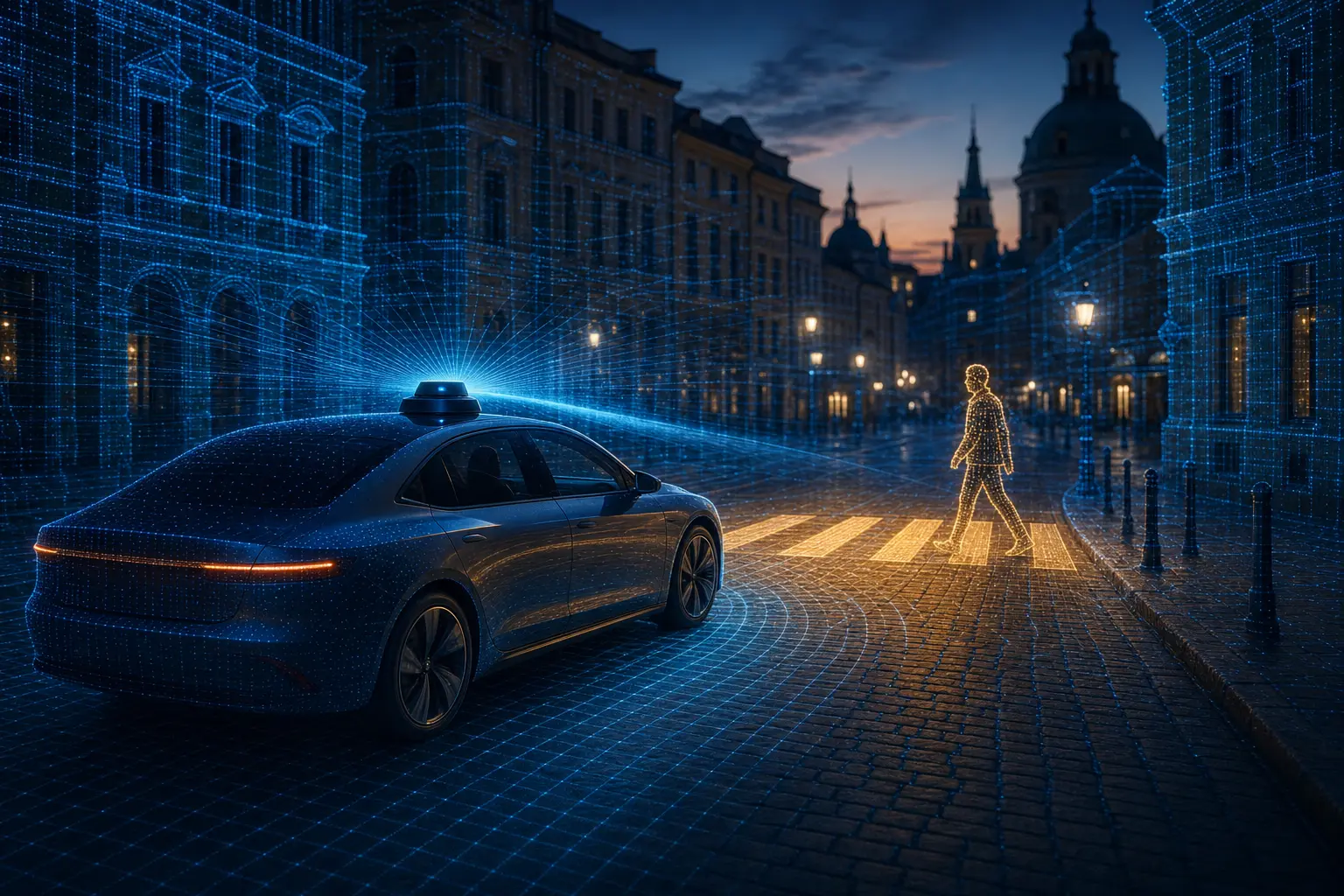
Driverless taxis are no longer just something you read about from California. On August 14, Uber and the Chinese company Pony.ai announced they will put more than 2,000 robotaxis on the road in five European cities, after Europe’s first commercial robotaxi service launched in Zagreb in March. For nonprofits and local communities, this raises questions worth a sober conversation – not about technology, but about people.
The opportunity: mobility for those who lack it
The most positive potential of driverless transport is accessibility. Older people who no longer drive, people with disabilities, people in areas with poor public transport – for many of them, affordable, accessible transport without a driver could mean greater independence and participation. For organisations working with these groups, this is a development worth following: designed right, it could become a genuine welfare benefit.
But "designed right" is the key. Driverless cars are not automatically universally designed. Can a wheelchair user get in and out alone? Does booking work for someone without a smartphone? Such questions decide whether the technology includes or excludes – and here advocacy organisations have an important voice.
The challenge: the jobs
The other side is obvious: taxi and transport drivers are among the occupations directly affected. This will not happen overnight – the rollout is gradual, and many cars still run with a safety driver – but the direction is clear. For organisations working with labour, transition and vulnerable groups, this is a conversation to have early, not when the changes are already here. How do we ensure a fair transition for those who lose their livelihood?
A question of who is in control
Note also who owns what: the technology is largely Chinese, the app American, while the cars are operated locally. A robotaxi maps streets and people continuously. Who owns that data, and how it is used, is a question local communities and civil society should ask – just as we ask questions about transparency in artificial intelligence elsewhere.
Our approach
- Be curious, not dismissive. The technology can give real mobility to people who are isolated today. That is a value worth fighting to make available to everyone, not just the well-resourced in big cities.
- Demand universal design from the start. Advocacy organisations should be in the conversation now, while the standards are being set – not afterwards.
- Keep the labour perspective warm. Technological progress must be accompanied by a plan for the people it displaces.
- Do not overstate the pace. No Norwegian cities are mentioned yet, and "more than 2,000 cars" is a plan, not a reality. That gives us time to shape the development rather than merely react to it.
Driverless cars are coming to Europe – gradually, unevenly and with many unanswered questions. For civil society, the most important task is the same as always: to ensure that new technology serves all people, including those who are rarely asked first.